Showing posts with label Health. Show all posts

Tuesday, 9 February 2016

How Do You Know Your Skin Type?

Skin types include normal, oily, dry, and sensitive. Some people also have a combination of skin types in different areas of their skin.
Your skin type can change over time. For example, younger people are more likely than older people to have a normal skin type.

Skin types vary depending upon factors such as:
• Water content, which affects your skin's comfort and elasticity
• Oil (lipid) content, which affects your skin's softness
• Sensitivity level

NORMAL SKIN TYPE
Normal skin is not too dry and not too oily. It has:
• No or few imperfections
• No severe sensitivity
• Barely visible pores
• A radiant complexion

COMBINATION SKIN TYPE
A combination skin type can be dry or normal in some areas and oily in others, such as the T-zone (nose, forehead, and chin). Many people have combination skin, which may benefit from slightly different types of skin care in different areas.
Combination skin can produce:
• Overly dilated pores
• Blackheads
• Shiny skin

DRY SKIN TYPE
Dry skin can produce:
• Almost invisible pores
• Dull, rough complexion
• Red patches
• Less elasticity
• More visible lines
When exposed to drying factors, skin can crack, peel, or become itchy, irritated, or inflamed. If your skin is very dry, it can become rough and scaly, especially on the backs of your hands, arms, and legs.

Dry skin may be caused or made worse by:
• Genetic factors
• Aging or hormonal changes
• Weather such as wind, sun, or cold
• Ultraviolet (UV) radiation from tanning beds
• Indoor heating
• Long, hot baths and showers
• Ingredients in soaps, cosmetics, or cleansers
• Medications

Here are some tips for taking better care of dry skin:
• Take shorter showers and baths.
• Use mild, gentle soaps or cleansers. Avoid deodorant soaps.
• Don't scrub while bathing or drying.
• Apply a rich moisturizer right after bathing. Ointments and creams may work better than lotions for dry skin but are often messier.
• Wear gloves when using cleaning agents, solvents, or household detergents.

OILY SKIN TYPE
Oily skin can produce:
• Enlarged pores
• Dull or shiny, thick complexion
• Blackheads, pimples, or other blemishes
Oiliness can change depending on the time of year or the weather.

Oily skin can be caused or made worse by:
• Puberty or other hormonal imbalances
• Stress
• Exposure to heat or too much humidity

To take care of oily skin:
• Wash your skin no more than twice a day and after you perspire heavily.
• Use a gentle cleanser and don't scrub.
• Don't pick, pop, or squeeze pimples. This prolongs healing time.
• Use products labeled as "noncomedogenic." They tend not to clog pores.

SENSITIVE SKIN TYPE
If your skin is sensitive, try to find out what your triggers are so you can avoid them. You may have sensitive skin for a variety of reasons, but often it's in response to particular skin care products.
Sensitive skin can show up as:
• Redness
• Itching
• Burning
• Dryness

Source: Webmd

Monday, 8 February 2016

6 Facts About STDs In Pregnancy

STD (Sexually Transmitted Diseases) in pregnancy is very risky,
as it poses great danger to the life of both the mother and her
baby.
A mother can pass on some infections to her baby during
pregnancy and while breastfeeding. There are some important
things you must know about STDs in pregnancy. Please read.
1. Some STDs (like syphilis) can cross the placenta and infect a baby while in the uterus (womb).
2. STDs like gonorrhea, genital herpes, chlamydia, and hepatitis B can be transmitted from mother to baby during
delivery through the birth canal.
3. HIV can cross the placenta during pregnancy, infect the baby during the birth and, unlike most STDs, can also infect
the baby through breastfeeding.
4. A pregnant woman with STDs may have an early onset of labour, premature rupture of membranes, uterine infections
after delivery, or a still birth.
5. Babies whose mothers have STD during pregnancy may suffer from low birth weight, eye infection (conjunctivitis),
pneumonia, neonatal sepsis (blood infection), neurological damage, blindness, and liver diseases.
6. Treating an STD as soon as it is detected in pregnant women will make dangerous health outcomes less likely.
Pregnant women should consult a health care provider for appropriate examination, testing, and treatment, as necessary.

Saturday, 6 February 2016

MOLAR PREGNANCY EFFECTS

A molar pregnancy — also known as hydatidiform mole — is a noncancerous (benign) tumor that develops in the uterus. A molar pregnancy starts when an egg is fertilized, but instead of a normal, viable pregnancy resulting, the placenta develops into an abnormal mass of cysts.

In a complete molar pregnancy, there's no embryo or normal placental tissue. In a partial molar pregnancy, there's an abnormal embryo and possibly some normal placental tissue. The embryo begins to develop but is malformed and can't survive.

A molar pregnancy can have serious complications — including a rare form of cancer — and requires early treatment.
SYMPTOMS
A molar pregnancy may seem like a normal pregnancy at first, but most molar pregnancies cause specific signs and symptoms, including:

Dark brown to bright red vaginal bleeding during the first trimester
Severe nausea and vomiting
Sometimes vaginal passage of grape-like cysts
Rarely pelvic pressure or pain
If you experience any signs or symptoms of a molar pregnancy, consult your doctor or pregnancy care provider. He or she may detect other signs of a molar pregnancy, such as:

Rapid uterine growth — the uterus is too large for the stage of pregnancy
High blood pressure
Preeclampsia — a condition that causes high blood pressure and protein in the urine after 20 weeks of pregnancy
Ovarian cysts
Anemia
CAUSES
A molar pregnancy is caused by an abnormally fertilized egg. Human cells normally contain 23 pairs of chromosomes. One chromosome in each pair comes from the father, the other from the mother. In a complete molar pregnancy, all of the fertilized egg's chromosomes come from the father. Shortly after fertilization, the chromosomes from the mother's egg are lost or inactivated and the father's chromosomes are duplicated. The egg may have had an inactive nucleus or no nucleus.

In a partial or incomplete molar pregnancy, the mother's chromosomes remain but the father provides two sets of chromosomes. As a result, the embryo has 69 chromosomes instead of 46. This can happen when the father's chromosomes are duplicated or if two sperm fertilize a single egg.

Risk factors

Up to an estimated 1 in every 1,000 pregnancies is molar. Various factors are associated with molar pregnancy, including:

Maternal age. A molar pregnancy is more likely for a woman older than age 35 or younger than age 20.
Previous molar pregnancy. If you've had one molar pregnancy, you're more likely to have another. A repeat molar pregnancy happens, on average, in 1 to 2 out of every 100 women.

Complications

After a molar pregnancy has been removed, molar tissue may remain and continue to grow. This is called persistent gestational trophoblastic disease (GTD). It occurs in about 1 of every 5 women after a molar pregnancy — usually after a complete mole rather than a partial mole.

One sign of persistent GTD is when the level of human chorionic gonadotropin (HCG) — a pregnancy hormone — remains high after the molar pregnancy has been removed. In some cases, an invasive mole penetrates deep into the middle layer of the uterine wall, which causes vaginal bleeding. Persistent GTD can nearly always be successfully treated, most often with chemotherapy. Another treatment option is removal of the uterus (hysterectomy).

Rarely, a cancerous form of GTD known as choriocarcinoma develops and spreads to other organs. Choriocarcinoma is usually successfully treated with multiple cancer drugs.

Preparing for your appointment

You're likely to start by talking with your family doctor or pregnancy care provider. Here's some information to help you get ready for your appointment and know what to expect from your doctor.

What you can do Before your appointment:

Write down any symptoms you're experiencing, including when they first started and how they've changed over time.
Make note of the date of your last menstrual period, if you remember it.
Write down key personal information, including any other medical conditions for which you're being treated.
Make a list of all medications, as well as any vitamins or supplements you're taking.
Ask a friend or family member to accompany you, if possible, to your appointment. Having someone else there may help you remember something that you forgot or missed and may provide much-needed emotional support.
Write down questions to ask your doctor.
Preparing a list of questions in advance will help you make the most of your time with your doctor. For molar pregnancy, some basic questions to ask include:

What is likely causing my symptoms or condition?
What kind of tests do I need?
What needs to be done now?
What treatment approach do you recommend?
Do I need to follow any restrictions?
What emergency signs and symptoms should I watch for at home?
What are my chances for a successful future pregnancy?
How long should I wait before trying to become pregnant again?
Does my condition increase my risk of developing cancer in the future?
Do you have any brochures or printed material that I can take with me? What websites do you recommend for more information?
In addition to the questions that you've prepared to ask your doctor, don't hesitate to ask questions during your appointment if you don't understand something.

What to expect from your doctor

Your doctor will likely perform a physical exam and run some tests, including a blood test and ultrasound exam. He or she also may ask you a number of questions, such as:

When was your last menstrual period?
When did you first begin experiencing symptoms?
Have your symptoms been continuous or occasional?
Are you having any pain?
Compared with your heaviest days of menstrual flow, is your bleeding more, less or about the same? Have you passed any grape-like cysts from your vagina?
Are you experiencing any lightheadedness or dizziness?
Have you had a past molar pregnancy?
What chronic conditions, if any, do you have?
Do you wish to become pregnant in the future?

Tests and diagnosis

If your doctor suspects a molar pregnancy, he or she will probably order a blood test to measure the level of human chorionic gonadotropin (HCG) — a pregnancy hormone — in your blood. He or she will also likely do an ultrasound.

With a standard ultrasound, high-frequency sound waves are directed at the tissues in the abdominal and pelvic area. During early pregnancy, however, the uterus and fallopian tubes are closer to the vagina than to the abdominal surface, so the ultrasound may be done through a wandlike device placed in your vagina.

An ultrasound of a complete molar pregnancy — which can be detected as early as eight or nine weeks of pregnancy — may show:

No embryo or fetus
No amniotic fluid
A thick cystic placenta nearly filling the uterus
Ovarian cysts
An ultrasound of a partial molar pregnancy may show:

A growth-restricted fetus
Low amniotic fluid
A thick cystic placenta
If your health care provider detects a molar pregnancy, he or she may check for other medical problems, including:

Preeclampsia
Hyperthyroidism
Anemia

Treatments and drugs

A molar pregnancy can't continue as a normal viable pregnancy. To prevent complications, the molar tissue must be removed. Treatment usually consists of one or more of the following:

Dilation and curettage (D&C). To treat a molar pregnancy, your doctor removes the molar tissue from your uterus during a procedure called dilation and curettage (D&C). A D&C is usually done as an outpatient procedure in a hospital.

During the procedure, you receive a local or general anesthetic and lie on your back with your legs in stirrups. Your doctor inserts a speculum into your vagina, as in a pelvic exam, to see your cervix. Your doctor then dilates your cervix and removes uterine tissue with a vacuum device. A D&C usually takes about 15 to 30 minutes.

Hysterectomy. If the molar tissue is extensive and there's no desire for future pregnancies, you might have surgery to remove your uterus (hysterectomy).
HCG monitoring. After the molar tissue is removed, your doctor repeats measurements of your HCG level until it returns to normal. If you continue to have HCG in your blood, you may need additional treatment. Once treatment for the molar pregnancy is complete, your doctor may continue to monitor your HCG levels for six months to one year to make sure there's no remaining molar tissue. Because pregnancy makes it difficult to monitor HCG levels, your doctor may recommend waiting until after follow-up before trying to become pregnant again.

Prevention

If you've had a molar pregnancy, talk to your doctor or pregnancy care provider before conceiving again. He or she may recommend waiting for six months to one year before trying to become pregnant. During any subsequent pregnancies, your care provider may do early ultrasounds to monitor your condition and offer reassurance of normal development.

By Mayo Clinic Staff

Thursday, 4 February 2016

Hair Tourniquet in children

Hair tourniquet is a medical condition where in a hair or other thread becomes tied around a toe or finger tightly, so as to put the digit at risk of damage. Occasionally this is known as Toe tourniquet.

The problem usually arises in babies and small children when hairs and thread are lost loosely inside socks. They can become spontaneously tied round a toe and will tend to tighten with wriggling. Natural hair is much more likely to undergo this phenomenon than spun thread.

Incidents similar to this can also occur during sleep, usually under Duvets or sheets which have loose threads which can constrict the toes.

Signs
As this is a condition primarily of young children, symptoms are rarely reported. The child will become suddenly uncomfortable and miserable. As the digit is often inside a sock, the cause may not be clear.

The affected toe can no longer receive an adequate blood supply via the arteries, nor can blood be drained via the veins. The toe will therefore swell and turn blue, indicating ischemia.

The ligature will not stretch in response to the toe swelling and will therefore cut into the skin in more severe cases, like a cheese-wire.

Treatment
The ligature must be cut or dissolved as quickly as possible. Often it is possible to lift a portion of it to enable cutting, but in a severe case the ligature must be cut through the skin. This is, of course, injurious to the child, but does prevent loss of the digit. It must take place on the side of the toe, where there are no nerves or tendons.

Other treatment not requiring minor surgery includes use of a chemical depilatory, such as the over-the-counter product Nair, to dissolve or weaken the hair. This option is not indicated if the hair tourniquet has cut into the skin. Use of depilatory products such as Nair is not an effective treatment on nylon or other fibers that are not human hair.

Prognosis
Despite the distressing nature of the condition, outcomes are excellent. Loss of the toe is extremely rare, as is any residual disability.

Wednesday, 3 February 2016

HEALTH BENEFIT OF CINNAMON

Cinnamon has long been a popular spice in baking and cooking. Research has found that it is not only delicious but it’s healthy, too. Just make sure that you’re buying true cinnamon and not cassia, which is often sold as cinnamon in stores.

Here are 10 Health Benefits of Cinnamon that may make you want to include it in your diet every day.

Lower Cholesterol
Studies have shown that just 1/2 teaspoon of cinnamon per day can lower LDL cholesterol.

Blood Sugar Regulation
Several studies suggest that cinnamon may have a regulatory effect on blood sugar, making it especially beneficial for people with Type 2 diabetes.

Yeast Infection Help
In some studies, cinnamon has shown an amazing ability to stop medication-resistant yeast infections.

Cancer Prevention
In a study published by researchers at the U.S. Department of Agriculture in Maryland, cinnamon reduced the proliferation of leukemia and lymphoma cancer cells.

Anti-Clotting
It has an anti-clotting effect on the blood.

Arthritis Relief
In a study at Copenhagen University, patients given half a teaspoon of cinnamon powder combined with one tablespoon of honey every morning before breakfast had significant relief in arthritis pain after one week and could walk without pain within one month.

Anti-Bacterial
When added to food, it inhibits bacterial growth and food spoilage, making it a natural food preservative.

Brain Health
One study found that smelling cinnamon boosts cognitive function and memory.

E. Coli Fighter
Researchers at Kansas State University found that cinnamon fights the E. coli bacteria in unpasteurized juices.

High in Nutrients
It is a great source of manganese, fiber, iron, and calcium.

If you’re ready to start taking cinnamon as a natural remedy, check out the 4 Best Cinnamon Powders to see what the best true cinnamon, or Ceylon cinnamon, is according to user reviews.

Tuesday, 2 February 2016

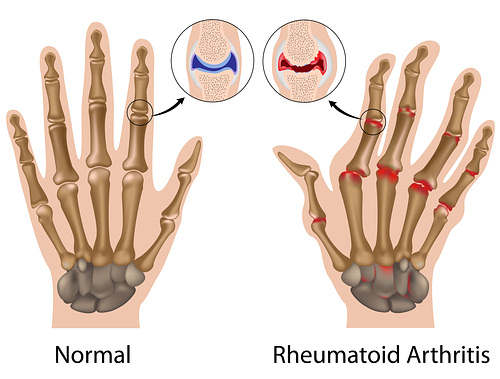
REMEDIES FOR ARTHRITIS AND JOINT PAIN

8. Exercise

When it’s painful and difficult just to move, the last thing you feel like doing is getting up and exercising. As unpleasant as it may sound though, exercise is vital for those who suffer from any form of stiffness, joint pain, or arthritis. Exercise will help control weight (an excess of which puts more strain on your joints) strengthens the muscles that support the joint, even when the cartilage is thinning, and lubricates the joints, allowing them to move more freely. When we are inactive the synovial fluid in the joints is the consistency of a thick gel, but once we get moving and warming up, the liquid becomes more viscous and can do a better job of lubricating our joints and keeping them going smoothly. Just imagine if you were to be sedentary every day, pretty soon you’d be so stiff it’d be just about impossible to move. But if you get up and move around every day, you’ll get stronger and will loosen up as well.

Try…

-Going for a brisk walk-start with 15 minutes and work your way up into a solid daily routine.
-Doing joint-targeted exercises-certain stretches and exercises specifically target joints to help rid them of stiffness and pain.
-Getting a dog-doing so backs up the first point, because you’ll have no choice but to walk!

9. Juniper Berry Tea

A 2009 research trial published in the “Journal of Ethnopharmacology” found that juniper berries do indeed help with arthritis pain thanks to a component called terpinen-4-ol. Terpene suppresses a type of white blood cells called monocytes which, as a part of our immune system, respond to signals of inflammation. In rheumatoid arthritis, the immune system attacks normal joint tissue for no reason, leading to inflammation, pain, and loss of function. If taken daily, juniper may be able to reduce the uncomfortable inflammation thanks to its terpene content. Only prickly juniper and common juniper varieties were effective.

Ingredients:
1 tablespoon of dried juniper berries
1 cup of fresh water
Honey (optional)

Instructions:
Bring 1 cup of fresh water to a boil, and place 1 tablespoon of dried juniper berries in a mug.

Pour the boiling water over the berries and let them steep for 20 minutes before straining.

Drink 1 cup twice daily, and add honey to taste if you like.

Note: Do NOT drink juniper berry tea while pregnant.

10. Golden Raisins & Gin

First off I am not recommending that you go and drink gin, but I thought this was an interesting old home remedy for arthritis. Gins flavor is derived from juniper berries (see #11 for a more in depth explanation of juniper berries) which contain anti-inflammatory properties. Golden raisins (only golden can be used in this recipe) require sulfides in their processing to give them their characteristic color. Sulfides are found in both glucosamine and chondroitin, which many people have found to be helpful remedies for arthritis. This remedy stretches back at least 20 years, and some people swear by it, while others have had limited success.

Ingredients:
Around ½ cup of gin
1 cup of golden raisins
a shallow dish

Instructions:
The amounts will vary depending on how big of a batch you are making, but basically you just need raisins and enough gin to just cover them, and the above amounts are just to give a general guideline. I am one of those people who, even if it is a loosely interpreted recipe, like to have some numbers to start with. Anyways, place 1 cup of golden raisins in a shallow dish, and pour in enough gin to just barely cover them. Cover with a towel and store them away in a dark place until the gin has evaporated (around 2 weeks.) Eat 9 of the raisins daily, keeping in mind the results may take several weeks to show.

11. Bosweilla supplements

Also known as Frankincense, Bosweilla is a flowering plant native to Africa and Asia. The gum resin or extract of the plant works as an anti-inflammatory and pain-killer. It works against inflammation by ‘disabling’ white blood cells that would cause swelling, and also helps shrink tissue that has already become inflamed and painful. I am afraid I don’t have a tea recipe for this one, as it is generally taken in a tablet supplement form, much like a vitamin. It is sold at many health stores and online, and is fairly reasonably priced compared to what some other supplements cost.

12. Pectin & Grape Juice

Pectin is a water soluble carbohydrate substance found in the cell walls of plants, where it helps keep cell walls together, and gives fruit firmness as it ripens. It is extracted from fruit to use as a setting in jams and jellies, and has become popular as a home remedy for arthritis when combined with grape juice. It has been tentatively hypothesized that it helps return the synovial tissue to a more elastic and lubricated state, which results in pain-free movement. Despite the fact that more studies are needed on pectin and connective tissue many people have found, for whatever reason, great relief from their arthritis with it. The grape juice is the liquid of choice due to the fact that it can help with inflammation.

Ingredients:
1 tablespoon of liquid pectin
8 oz. of grape juice

Instructions:
Mix 1 tablespoon of liquid pectin with 8 oz. of grape juice and drink 1-2 times daily. It will take a week or two for the effects to show.

13. Cayenne ‘Capsaicin’ Ointment

A common OTC pain reliever for joint pain contains capsaicin, a component in hot peppers that inhibits something called Substance P. Substance P is involved in transmitting pain signals to our brain, and when the capsaicin interferes with it, it minimizes the alert to the discomfort, and therefore the discomfort itself. It has been one of the more effective topical treatments for arthritis, and you can make your own at home with humble cayenne. Keep in mind, however, that it is only a temporary fix and should be used sparingly if possible.